Upgrade to Peak Performance
Explore Dedicated Server Plans!
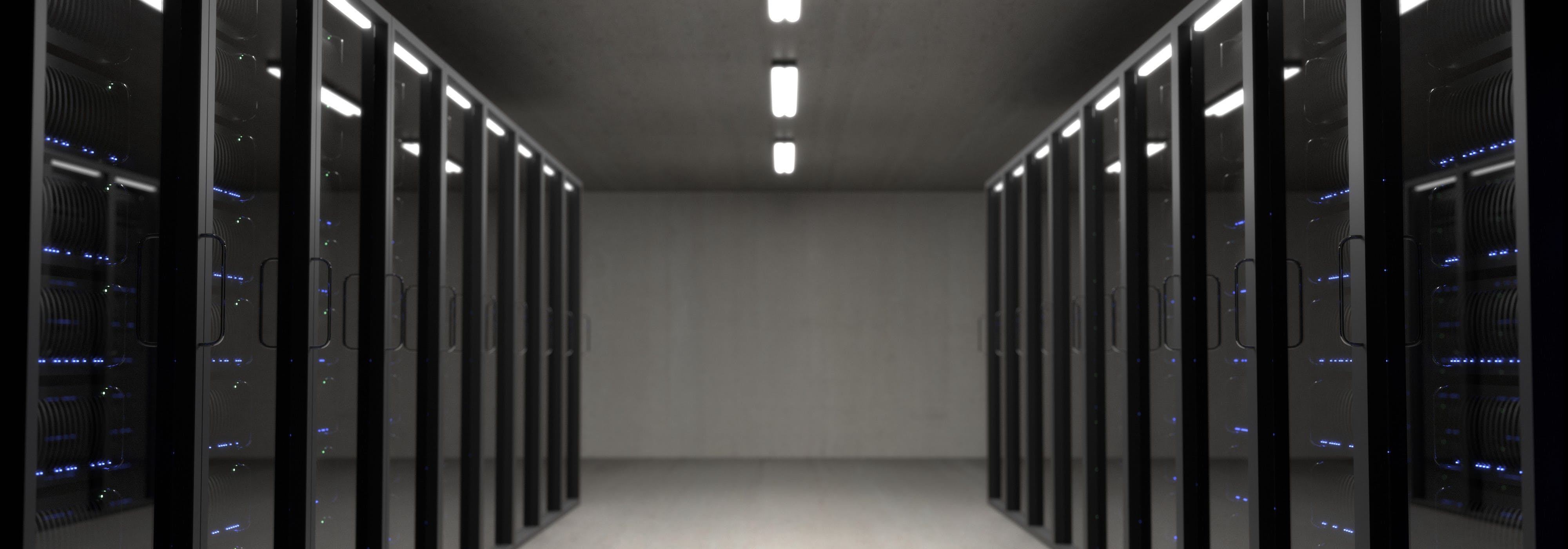
Embrace the pinnacle of hosting solutions with Dedicated Servers, also known as Bare Metal Servers. This premium service ensures unparalleled performance, value, and security for your cloud-based hosting requirements. Unlike cloud or virtual servers, a Dedicated Server grants you exclusive access to all physical hardware components, including CPU, RAM, Disk, Network Port, and the server's physical chassis. No resource on the server is shared with other clients, ensuring complete isolation. Offering superior flexibility compared to alternative hosting options, Dedicated Servers empower your organization with absolute control over security settings, choice of operating system, hardware configuration, and the selection of server applications.

Features
Instant Access to Versatile Operating Systems and Recovery Tools
Gain immediate access to popular operating systems such as CentOS, Ubuntu, and various editions of Windows Server. Additionally, with a simple click, access rescue mode and recovery tools will be at your disposal for swift system restoration.
Enhanced Server Reboot Functionality for Instant Recovery
Seamlessly integrated is an advanced feature allowing swift remote reboot capability, enabling immediate power cycling of any inactive or unresponsive servers automatically.
Real-Time Network Usage Monitoring with Historical Data
Access historical network bandwidth graphs for all servers within your client area, providing automatic display and enabling continuous monitoring of your usage in real-time.
Effortless Remote Server Management Access
Enjoy direct access to remote management tools such as iDRAC or IPMI for configured physical servers directly from your client area. No more hassle of memorizing separate IP addresses for access. For customers without iDRAC or IPMI, kindly reach out to our sales team to request access.
Dedicated Servers leverage cutting-edge architecture designed with purpose-driven hardware, ensuring exceptional performance that significantly outpaces traditional server setups.

Things to Consider
Performance and Specifications
The performance and specifications of a dedicated server are vital for meeting your hosting needs. Examining the CPU, RAM, storage, and bandwidth ensures the server can handle your applications and traffic efficiently, providing a smooth user experience.
Reliability and Uptime
Reliability and uptime are essential. Opting for a provider with a strong uptime guarantee and a proven track record ensures your website or applications remain consistently available to users without frequent interruptions or downtime.
Scalability and Customization
Servers should allow for scalability and customization, providing the flexibility to adjust resources as your needs change. Ensuring the server can adapt to increased demands or specific configurations helps future-proof your hosting solution.
Security Measures
Checking the provider's security measures is crucial. Robust security features like firewalls, DDoS protection, and encryption ensure the safety of your data and protect against potential threats and attacks.
Support and Service Level Agreements
Access to 24/7 technical support and solid Service Level Agreements (SLAs) is fundamental. Quick and reliable support is crucial in case of any issues or technical glitches, ensuring minimal disruptions to your services.
Network and Data Center Location
Considering the location of the data center is important, especially if your audience is region-specific. A data center in proximity to your users can reduce latency and improve overall performance.
Hardware Quality and Redundancy
Hardware quality and redundancy are critical factors. High-quality hardware and redundancy mechanisms help prevent hardware failures and ensure smooth server operation.
Backup and Recovery Options
Assessing backup solutions and disaster recovery options offered by the hosting provider is key. Having robust backup systems in place mitigates the risk of data loss and aids in quick recovery in case of emergencies.
Managed or Unmanaged Services
Choosing between managed and unmanaged services is important. Opting for managed services can save time and resources, while those comfortable with server management might prefer unmanaged options for more control.
When considering a dedicated server, several critical factors need to be evaluated to ensure the chosen server meets your specific needs.